Buying guide
Best Matcha for Beginners
Jade Leaf ceremonial and Kenko Tea ceremonial are the most beginner-friendly powders we recommend. Pair either with a bamboo whisk (or frother for lattes) and sift before whisking.
If café matcha is your reference point, you do not need a $60 tin on day one. You need a mild powder, a simple whisking method, and realistic expectations.
Updated 2026-09-15 · 7 min read
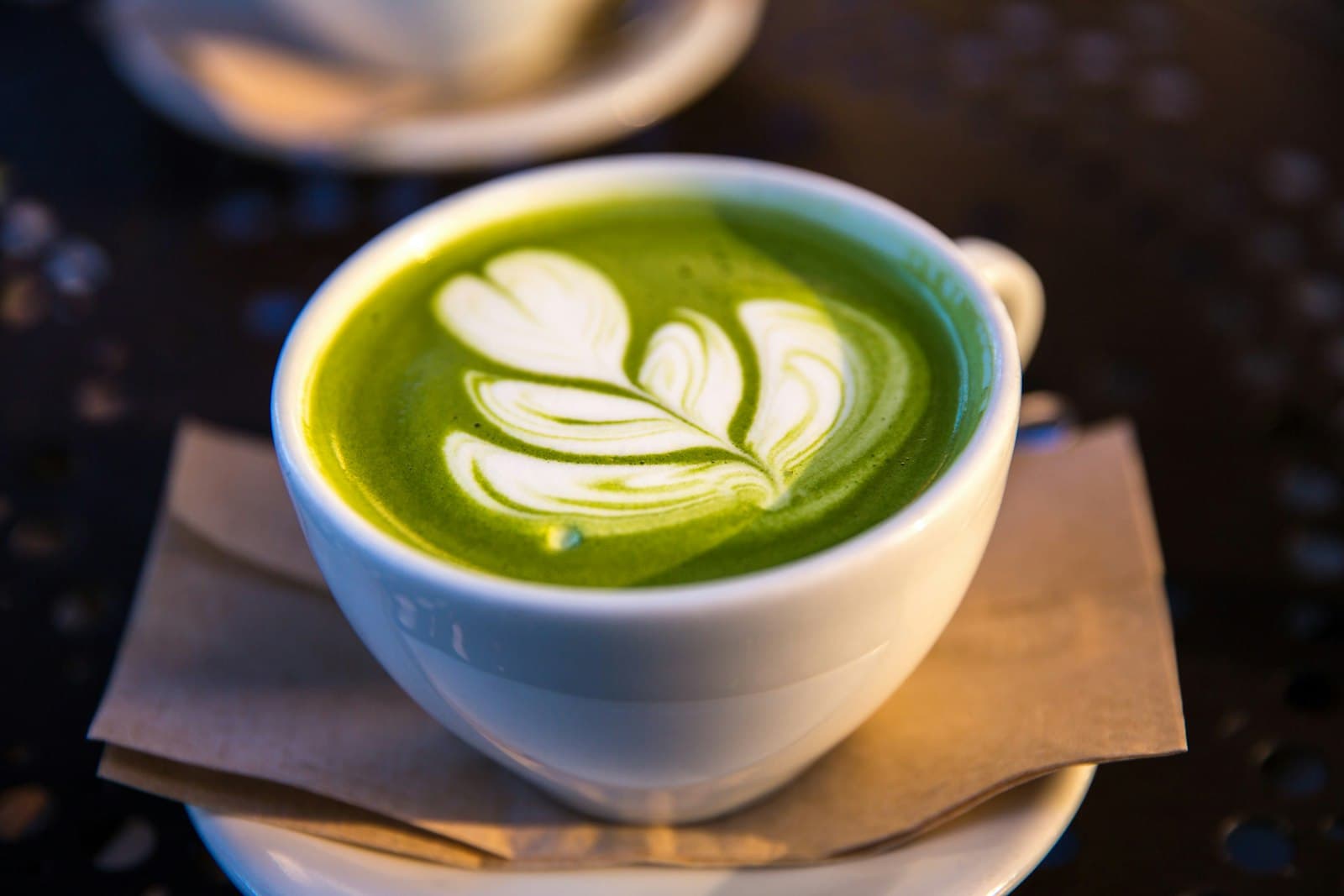
Top picks
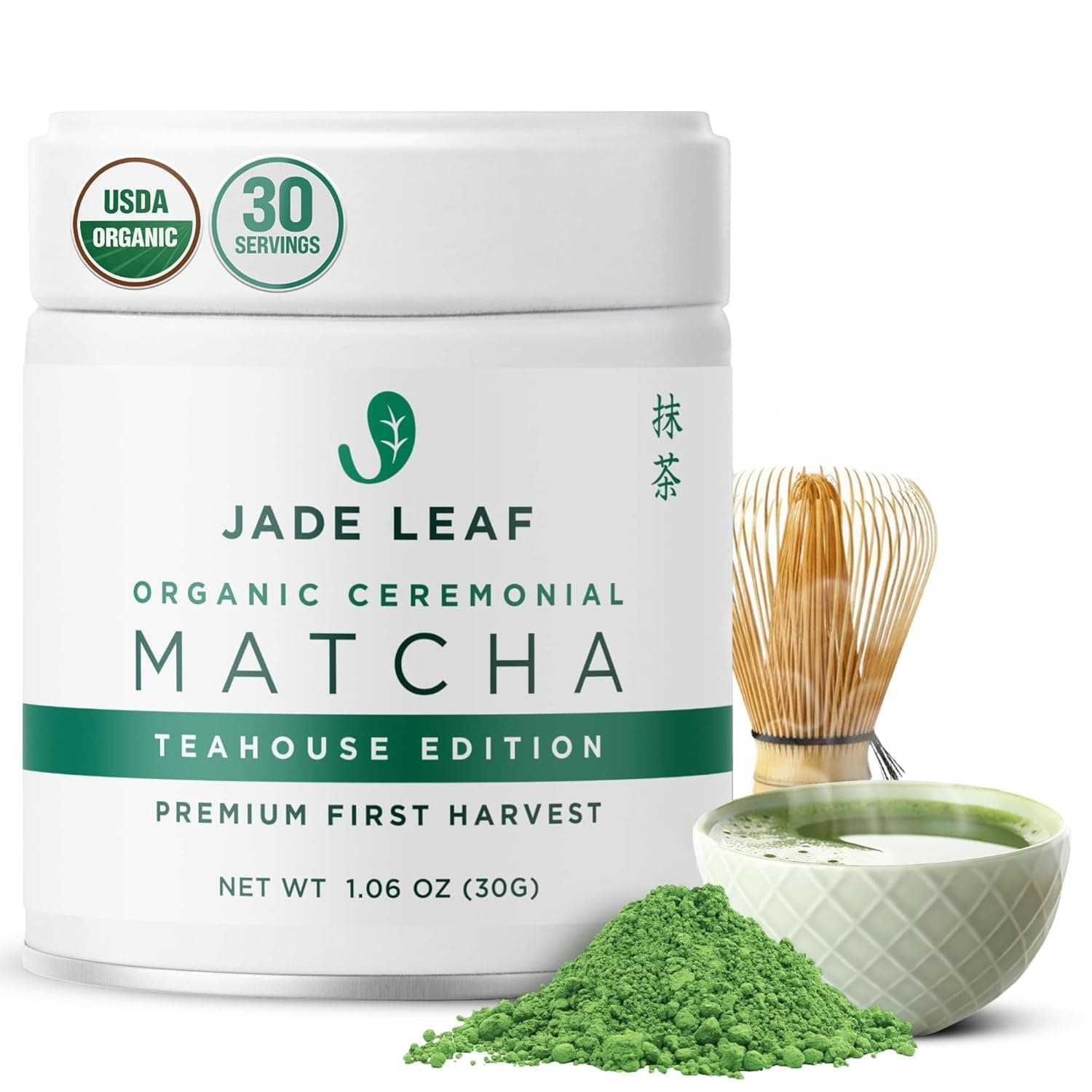
Best Starter Powder
Jade Leaf Organic Ceremonial Grade Matcha (30g Tin)
Best for: Straight drinking, everyday usucha, light lattes
Origin: Japan · Uji / Kagoshima
Mild, smooth, and widely available.
Intensity
Bitterness
Umami
Smooth, gently sweet, approachable green notes
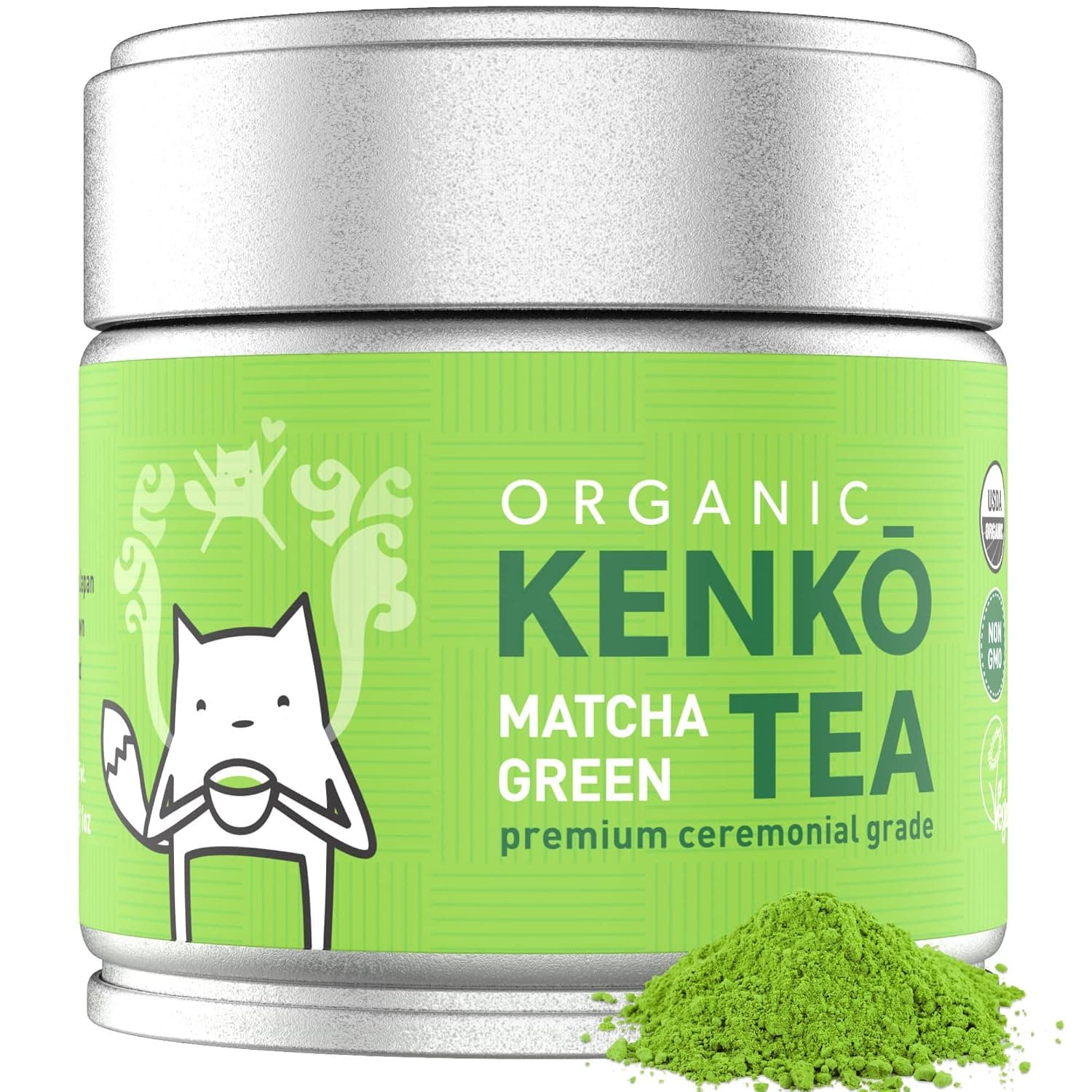
Best Budget Starter
Kenko Organic Ceremonial Grade Matcha (30g)
Best for: Beginners learning whisking, everyday bowls
Origin: Japan · Nishio
Ceremonial-style without a premium price.
Intensity
Bitterness
Umami
Mild, slightly sweet, very forgiving
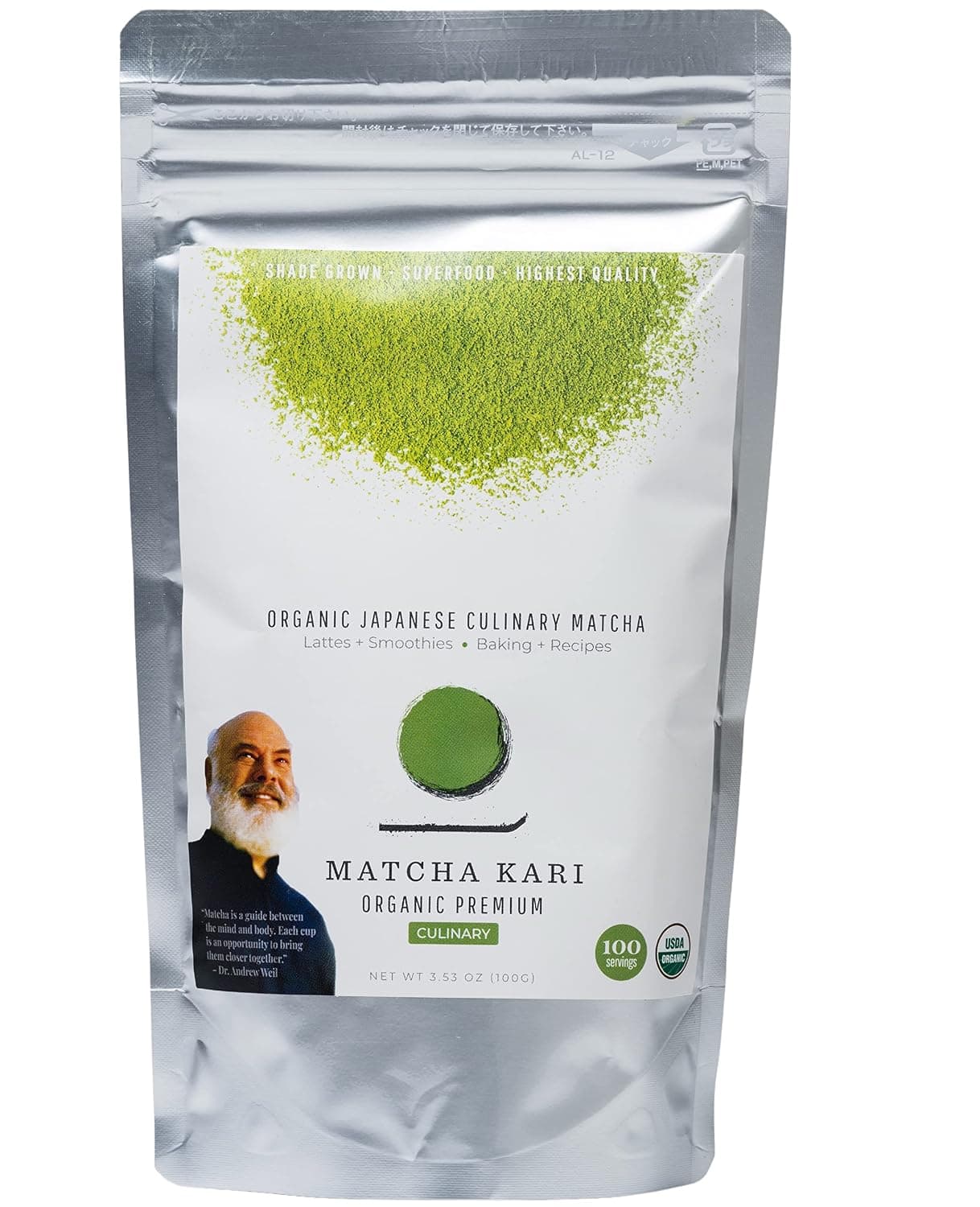
Best If You Only Make Lattes
Matcha Kari Organic Culinary Grade Matcha (100g)
Best for: Lattes, smoothies, baking
Origin: Japan · Uji
Skip delicate ceremonial until you drink matcha straight.
Intensity
Bitterness
Umami
Bold green flavor that holds up to milk and ice
Quick comparison
| Product | Best for | Origin | Taste | Price |
|---|---|---|---|---|
| Jade Leaf Organic Ceremonial Grade Matcha (30g Tin) | Best Starter Powder | Japan | Smooth, gently sweet, approachable green notes | mid-range |
| Kenko Organic Ceremonial Grade Matcha (30g) | Best Budget Starter | Japan | Mild, slightly sweet, very forgiving | affordable |
| Matcha Kari Organic Culinary Grade Matcha (100g) | Best If You Only Make Lattes | Japan | Bold green flavor that holds up to milk and ice | mid-range |
Individual recommendations
Jade Leaf Organic Ceremonial Grade Matcha (30g Tin)
- Best for: Straight drinking, everyday usucha, light lattes
- Taste: Smooth, gently sweet, approachable green notes
- Origin: Japan
- What we like: Widely available Teahouse Edition tin—beginner-friendly ceremonial matcha with a mild daily-drinking profile.
Kenko Organic Ceremonial Grade Matcha (30g)
- Best for: Beginners learning whisking, everyday bowls
- Taste: Mild, slightly sweet, very forgiving
- Origin: Japan
- What we like: USDA organic ceremonial tin that’s hard to mess up while you learn technique.
Matcha Kari Organic Culinary Grade Matcha (100g)
- Best for: Lattes, smoothies, baking
- Taste: Bold green flavor that holds up to milk and ice
- Origin: Japan
- What we like: Dr. Weil / Matcha Kari culinary powder—stronger profile built for milk drinks and recipes.
Recommended gear
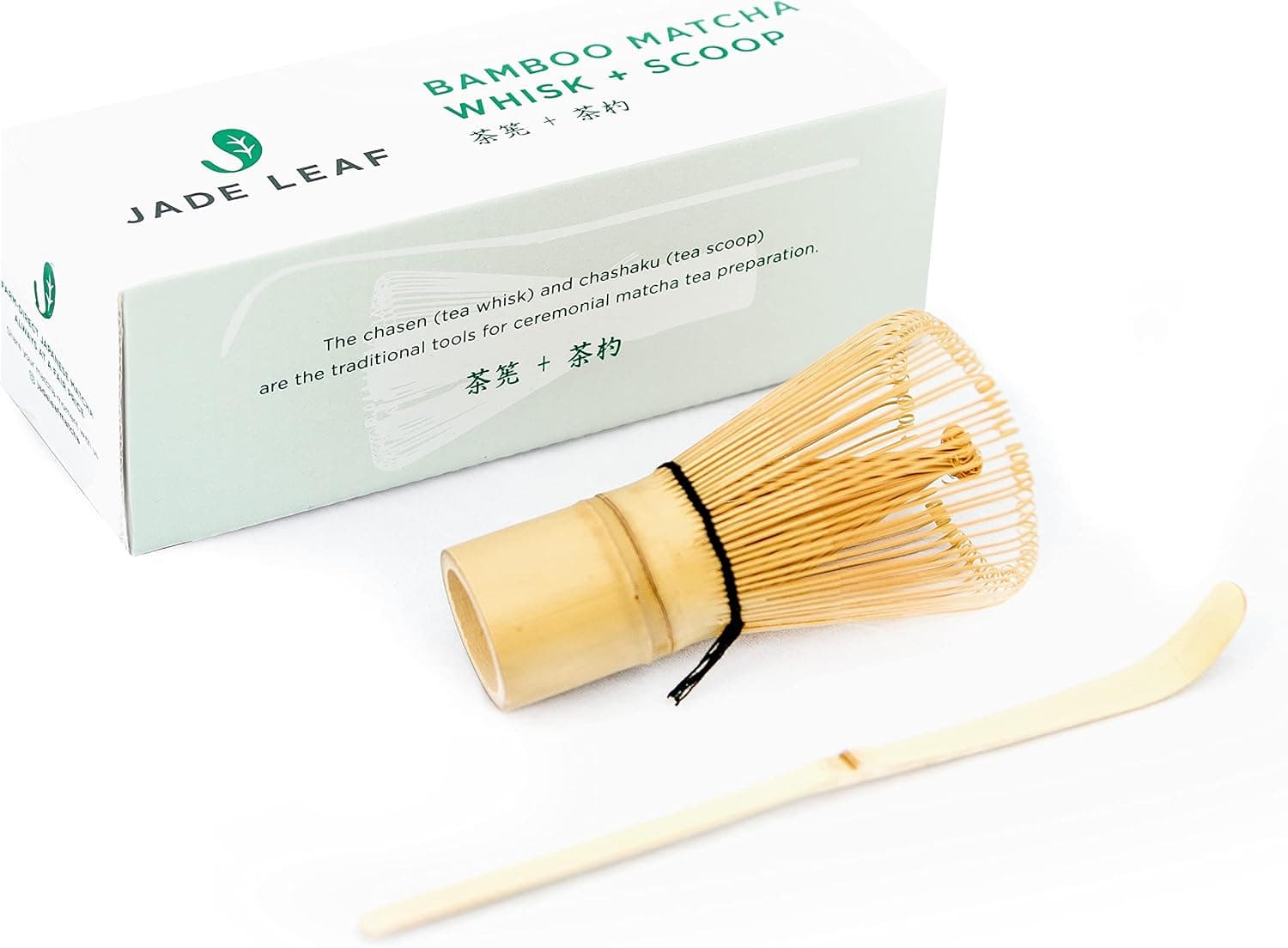
Jade Leaf Bamboo Matcha Whisk + Scoop Set
Best for: Traditional foam and texture for usucha
Bamboo chasen + scoop from Jade Leaf—soak briefly before use for flexible tines.
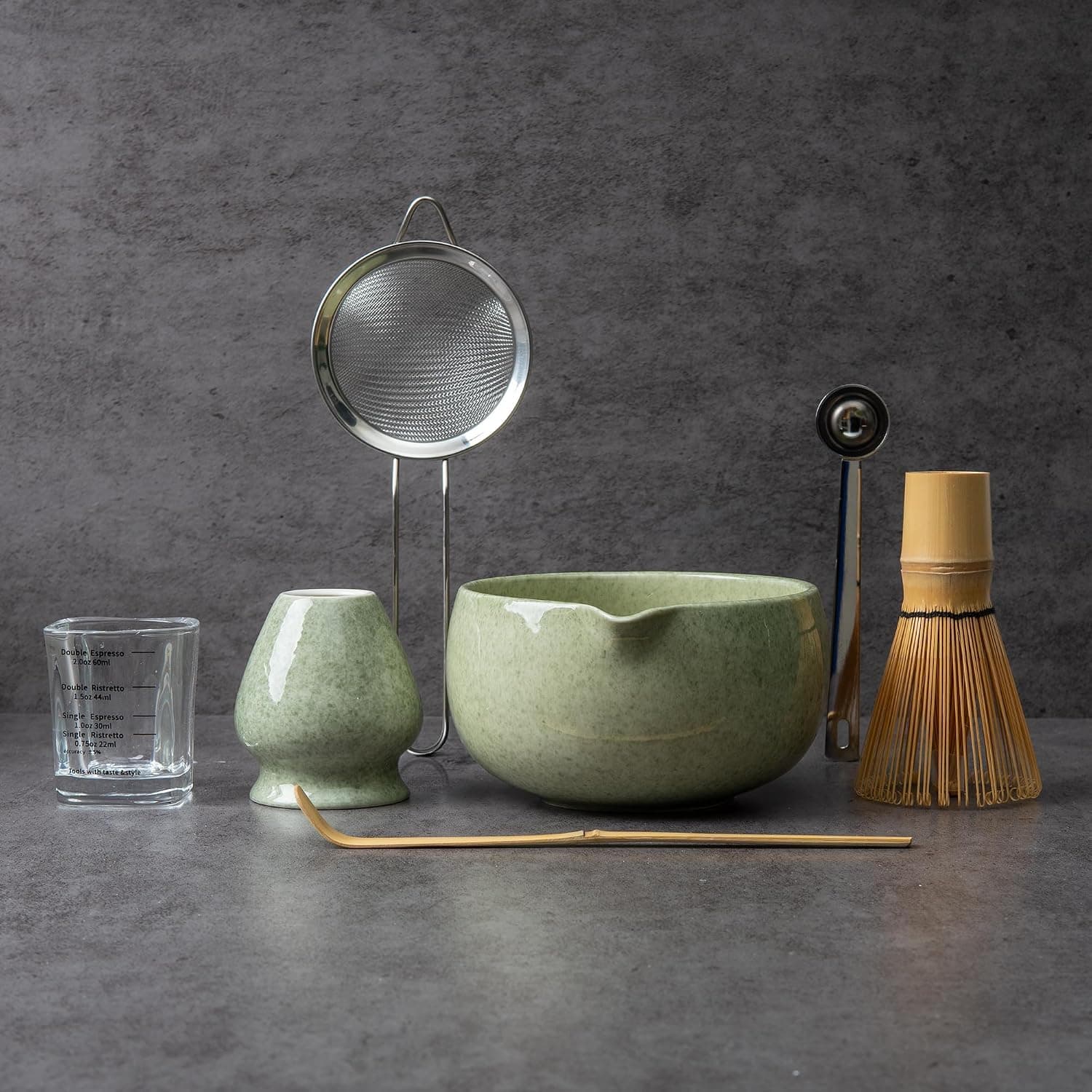
YIBO Complete Matcha Starter Kit
Best for: Beginners who want everything in one box
All-in-one kit with whisk, bowl, holder, sifter, and scoops—buy powder separately.
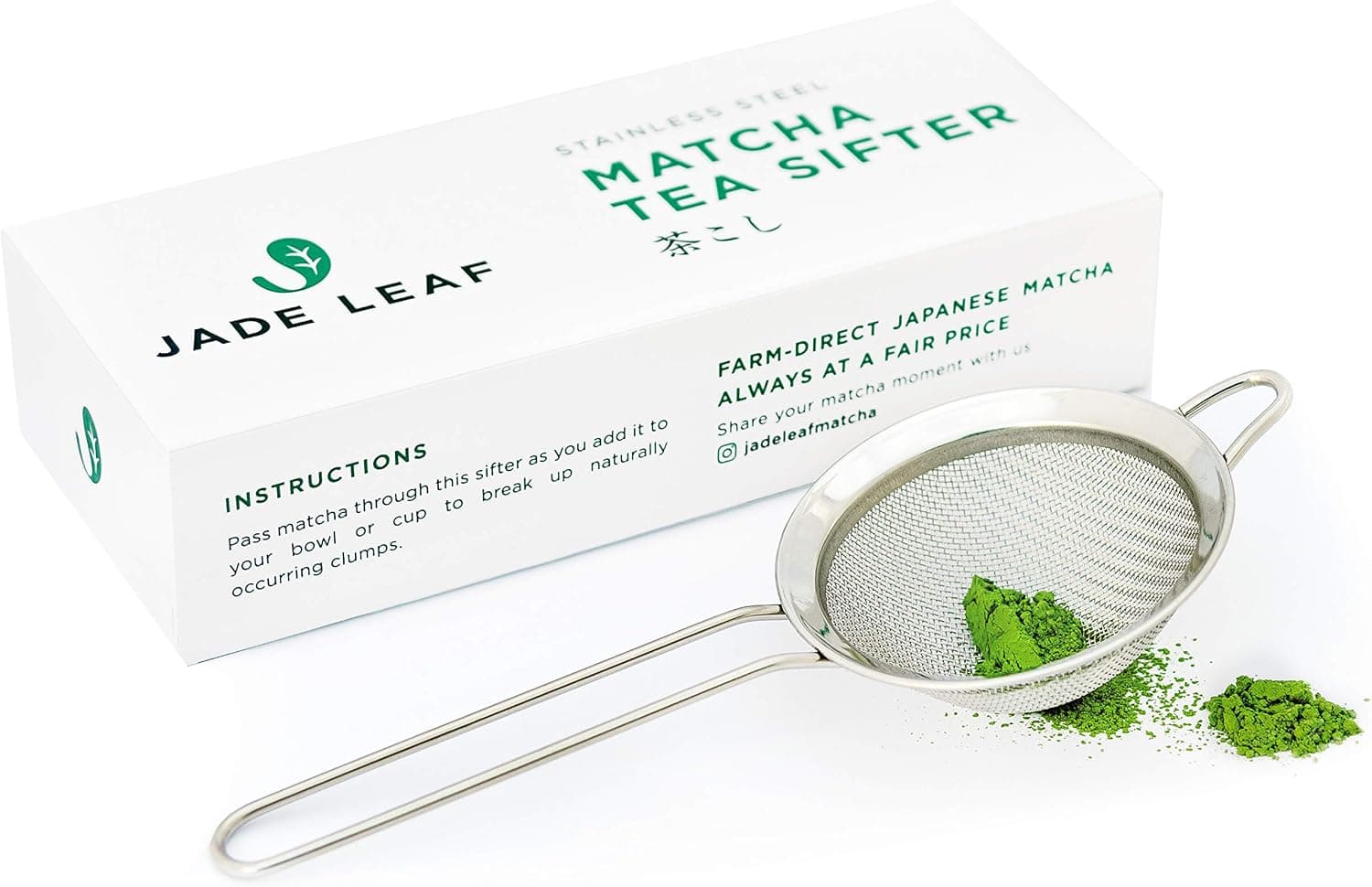
Jade Leaf Stainless Steel Matcha Sifter
Best for: Clump-free whisking and smoother lattes
Fine stainless mesh that breaks up clumps in seconds—highly rated Jade Leaf accessory.
How we chose
We favor milder bitterness and clear beginner instructions over collector-grade nuance.
Availability and bag size matter—tiny tins that empty in a week frustrate new drinkers.
We recommend gear that prevents clumps (sifter + whisk) rather than decorative extras.
Beginner buying guide
Start with how you already drink matcha. If every order is an iced latte, buy latte-friendly powder first.
You do not need a full tea ceremony set. A whisk (or frother), a bowl or large mug, and a sifter cover 95% of home use.
Water that is too hot makes matcha bitter. Aim for around 160–175°F (70–80°C), not boiling.
If your first bowl tastes grassy and harsh, try less powder, cooler water, and a better sift before assuming you “hate matcha.”
FAQ
Do I really need a whisk?
For traditional straight matcha, a bamboo whisk (chasen) works best. For lattes, a handheld frother is often enough. A fork usually leaves clumps.
Why does my matcha taste bitter?
Common causes: water too hot, too much powder, old/low-quality matcha, or unsifted clumps. Fix technique before upgrading tins.
Keep going
- Best Matcha Powder — Clear recommendations for the best matcha powders by use case.
- How to Make Matcha — A simple method for making matcha at home.
- Best Matcha Whisk — Bamboo whisk recommendations and latte alternatives.
- Traditional Matcha (Usucha) — A beginner-friendly traditional matcha bowl.
- Iced Matcha Latte — A café-style iced matcha latte with clear ratios.
- Find Your Matcha — answer a few questions for a shortlist
As an Amazon Associate I earn from qualifying purchases. Affiliate disclosure.