Buying guide
Best Matcha Powder
For most beginners, start with Jade Leaf ceremonial for everyday drinking. For lattes, use a stronger culinary powder like Matcha Kari or Jade Leaf culinary. For premium straight matcha, step up to Encha or Ippodo.
The “best” matcha depends on how you drink it. Straight ceremonial and latte-friendly culinary powders are different jobs—here are our top picks without the 4,000-word wind-up.
Updated 2026-09-15 · 9 min read
Top picks
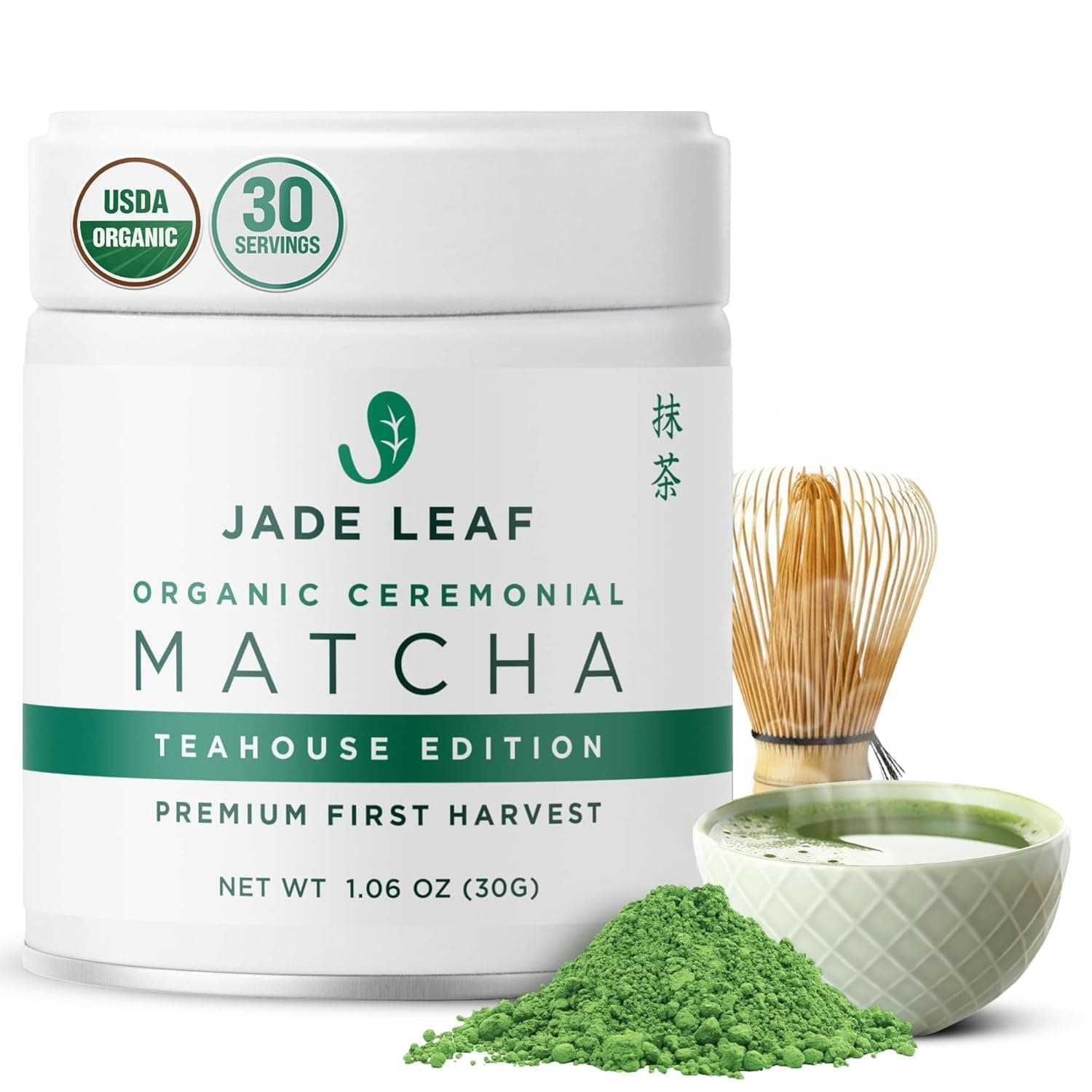
Best Overall
Jade Leaf Organic Ceremonial Grade Matcha (30g Tin)
Best for: Straight drinking, everyday usucha, light lattes
Origin: Japan · Uji / Kagoshima
Approachable ceremonial flavor and easy to find.
Intensity
Bitterness
Umami
Smooth, gently sweet, approachable green notes
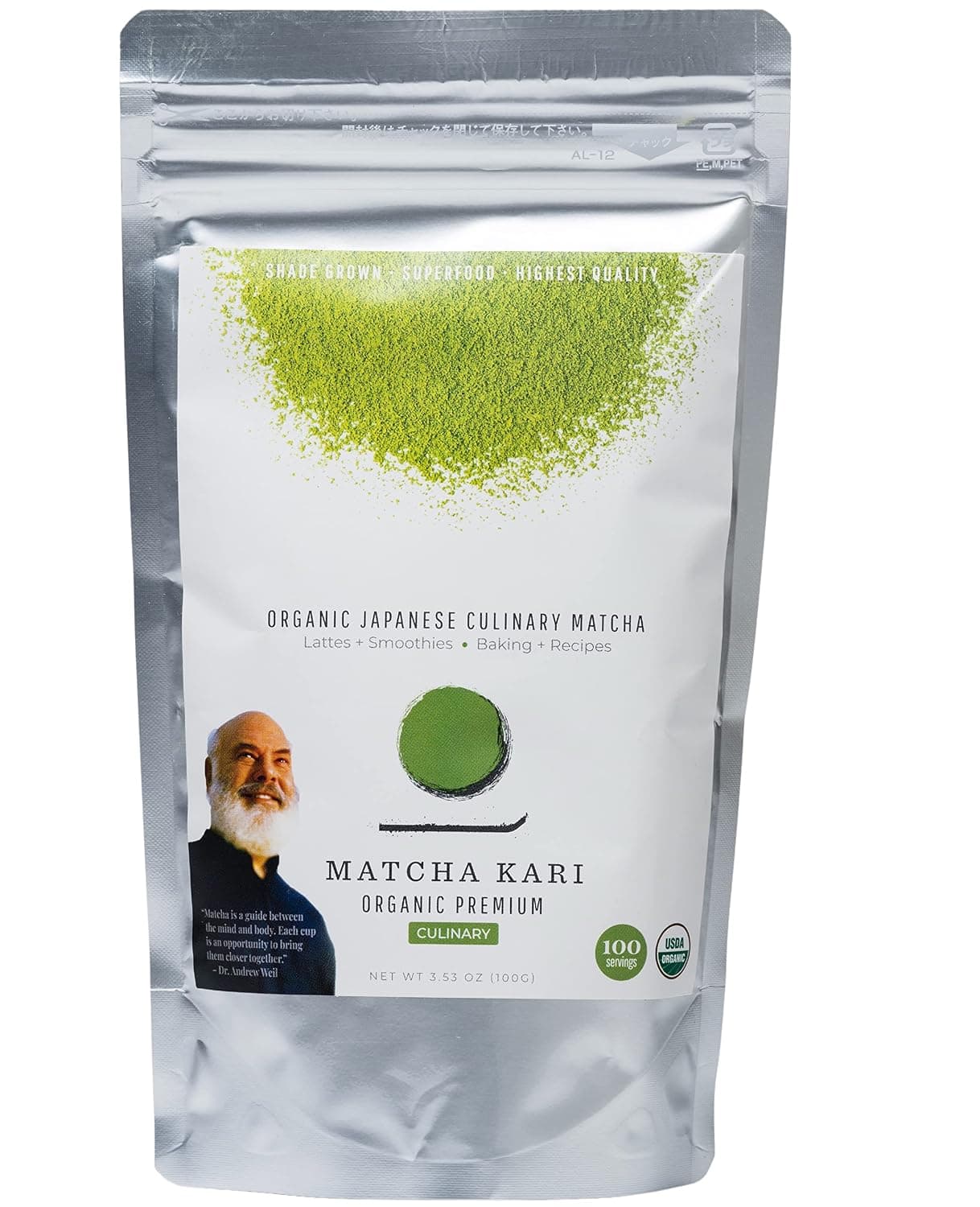
Best for Lattes
Matcha Kari Organic Culinary Grade Matcha (100g)
Best for: Lattes, smoothies, baking
Origin: Japan · Uji
Stronger flavor that still tastes like matcha once milk is added.
Intensity
Bitterness
Umami
Bold green flavor that holds up to milk and ice
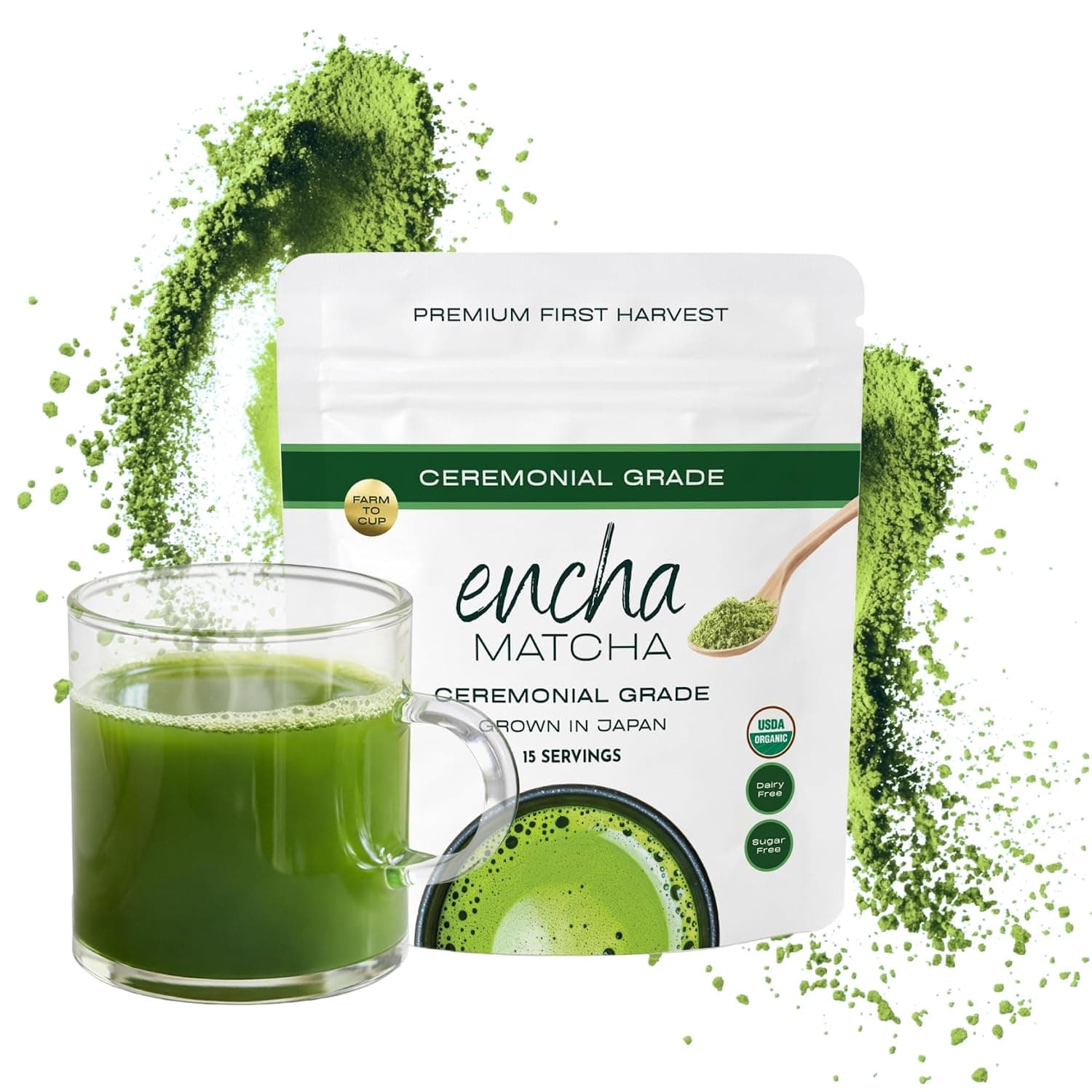
Premium Pick
Encha Organic Ceremonial Grade Matcha (30g)
Best for: Straight drinking, premium usucha
Origin: Japan · Uji
Bright umami when you want to drink matcha straight.
Intensity
Bitterness
Umami
Bright, umami-forward, clean finish
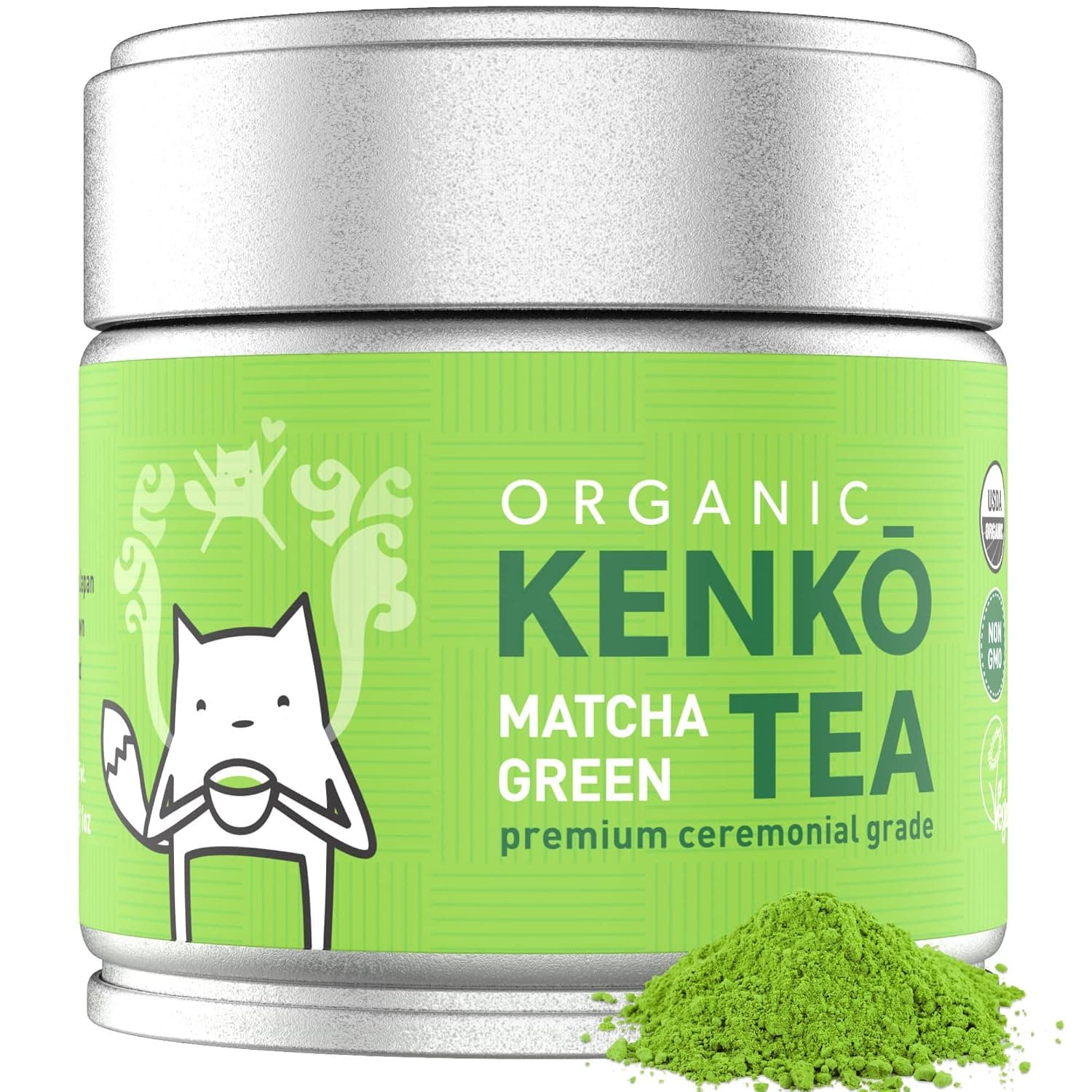
Best Value
Kenko Organic Ceremonial Grade Matcha (30g)
Best for: Beginners learning whisking, everyday bowls
Origin: Japan · Nishio
Forgiving ceremonial option while you learn technique.
Intensity
Bitterness
Umami
Mild, slightly sweet, very forgiving
Quick comparison
| Product | Best for | Origin | Taste | Price |
|---|---|---|---|---|
| Jade Leaf Organic Ceremonial Grade Matcha (30g Tin) | Best Overall | Japan | Smooth, gently sweet, approachable green notes | mid-range |
| Matcha Kari Organic Culinary Grade Matcha (100g) | Best for Lattes | Japan | Bold green flavor that holds up to milk and ice | mid-range |
| Encha Organic Ceremonial Grade Matcha (30g) | Premium Pick | Japan | Bright, umami-forward, clean finish | premium |
| Kenko Organic Ceremonial Grade Matcha (30g) | Best Value | Japan | Mild, slightly sweet, very forgiving | affordable |
Individual recommendations
Jade Leaf Organic Ceremonial Grade Matcha (30g Tin)
- Best for: Straight drinking, everyday usucha, light lattes
- Taste: Smooth, gently sweet, approachable green notes
- Origin: Japan
- What we like: Widely available Teahouse Edition tin—beginner-friendly ceremonial matcha with a mild daily-drinking profile.
Matcha Kari Organic Culinary Grade Matcha (100g)
- Best for: Lattes, smoothies, baking
- Taste: Bold green flavor that holds up to milk and ice
- Origin: Japan
- What we like: Dr. Weil / Matcha Kari culinary powder—stronger profile built for milk drinks and recipes.
Encha Organic Ceremonial Grade Matcha (30g)
- Best for: Straight drinking, premium usucha
- Taste: Bright, umami-forward, clean finish
- Origin: Japan
- What we like: First-harvest organic Uji matcha for drinkers who want café-quality straight bowls.
Kenko Organic Ceremonial Grade Matcha (30g)
- Best for: Beginners learning whisking, everyday bowls
- Taste: Mild, slightly sweet, very forgiving
- Origin: Japan
- What we like: USDA organic ceremonial tin that’s hard to mess up while you learn technique.
How we chose
We prioritize taste for the intended use (straight vs latte), not just packaging claims.
Beginner-friendliness matters: powders that are extremely bitter or hard to whisk get dinged.
Availability on Amazon matters for readers who want to buy quickly.
We separate ceremonial and culinary recommendations instead of forcing one winner.
We do not claim first-hand testing for every SKU—research combines specs, origin claims, and consistent reviewer patterns.
What actually matters when buying matcha
Grade labels are marketing shorthand, not a legal standard. “Ceremonial” usually means finer and milder for drinking straight; “culinary” usually means stronger and cheaper for recipes.
Color can hint at quality—brighter emerald often signals carefully shaded leaves—but packaging lighting fools cameras. Trust taste notes and intended use more than Instagram greens.
If you mostly make lattes, buying expensive ceremonial powder is often wasted money. Milk and ice mute nuance; you want enough green flavor to cut through.
Storage matters as much as brand: keep matcha airtight, cool, and away from light. Old powder tastes flat and bitter no matter what you paid.
FAQ
Is expensive matcha actually better?
Often for drinking straight—yes, you usually get smoother umami and less harsh bitterness. For lattes and baking, a mid-tier culinary powder frequently tastes better per dollar.
How much matcha should I use?
Start with 1–2 grams (about ½–1 teaspoon) for a small drink, or 2 teaspoons for a 16 oz latte. Adjust up if the drink tastes weak once milk is added.
Do I need Japanese matcha?
Japanese origin is a useful quality signal, but preparation and freshness matter more than the word “Japan” on a label. Look for clear origin plus a recent packed date when possible.
Keep going
- Best Matcha for Beginners — Mild, forgiving matcha powders for first-time buyers.
- Best Matcha for Lattes — Matcha powders that hold up in milk drinks.
- Best Ceremonial Matcha — Ceremonial matcha recommendations for usucha and everyday bowls.
- Iced Matcha Latte — A café-style iced matcha latte with clear ratios.
- Traditional Matcha (Usucha) — A beginner-friendly traditional matcha bowl.
- Find Your Matcha — answer a few questions for a shortlist
As an Amazon Associate I earn from qualifying purchases. Affiliate disclosure.